The Western Ghats hold many secrets, but few are as captivating as the legends surrounding Kudremukh. Translating to "Horse Face" in Kannada, this iconic peak is not just a geographical marvel—it is a place deeply ingrained in local folklore and environmental history.
The Legend of the Horse Face
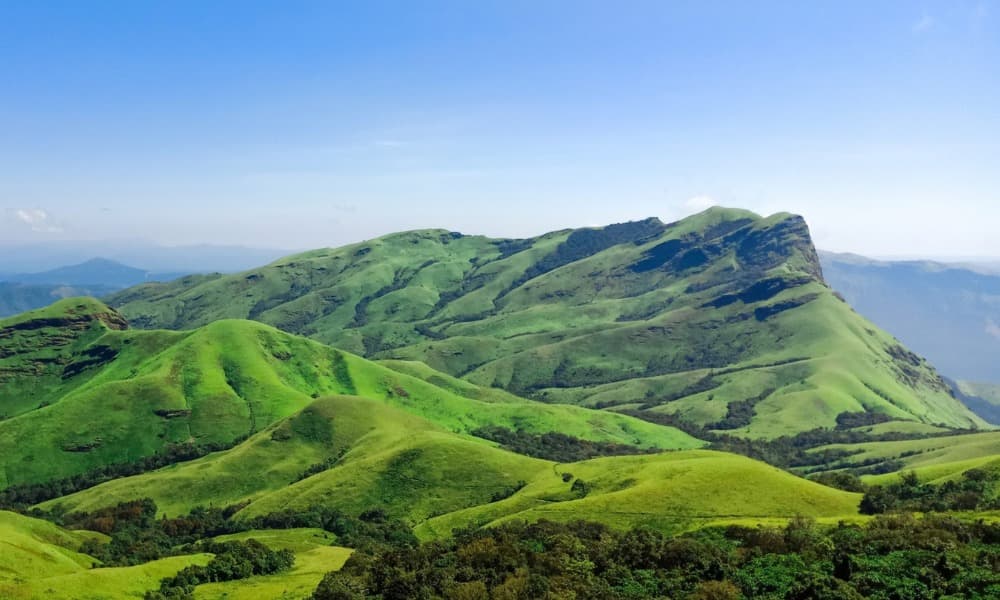
According to local village elders in the Chikkamagaluru district, the mountain was carved by divine forces to watch over the lush valleys. The distinct shape, clearly resembling a horse's profile when viewed from a specific angle, is said to represent a celestial horse (Uchchaihshravas) that was turned to stone to serve as an eternal guardian of the forests.
Kudremukh is not just a mountain; it is the silent guardian of our forests. - Local villager
A Conservation Success Story
For decades, Kudremukh was synonymous with iron ore mining. A massive public sector company operated in the heart of the national park, causing significant ecological damage to the Bhadra river ecosystem. However, in a landmark environmental victory in 2005, the Supreme Court of India ordered the cessation of all mining activities to protect the fragile biodiversity hotspot.
Today, when you trek Kudremukh, you are walking through a recovering ecosystem. Nature is slowly reclaiming the abandoned mining town, and the Shola forests are thriving once again.
The Biodiversity Hotspot
Kudremukh National Park is a UNESCO World Heritage Site, and for good reason.
It is a critical habitat for the endangered Lion-tailed Macaque.
Over 200 species of birds, including the Malabar Trogon and the Great Hornbill, can be spotted here.
Three major rivers—the Tunga, the Bhadra, and the Netravati—originate within these dense forests.
Trekking the Guardian
When you undertake the 22km trek to the summit, remember that you are walking on sacred, protected ground. Stick to the marked trails, respect the strict plastic-free policies enforced by the forest department, and take a moment to appreciate the incredible resilience of nature.