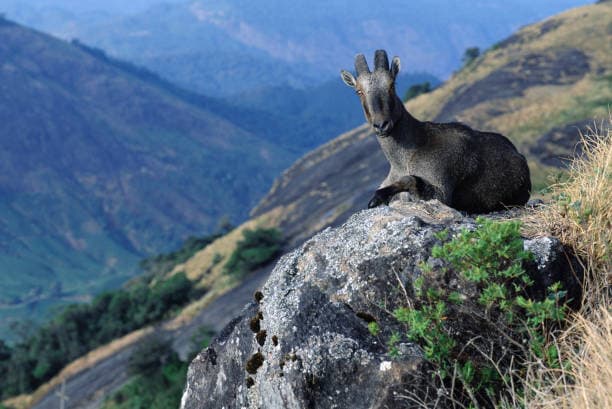
When people think of Southern India, they rarely think of freezing temperatures. However, trekkers who have camped at the base of Kumara Parvatha or walked the ridges of Mullayanagiri in late December know that the winter winds in the Western Ghats can be biting and relentless.
The Art of Layering
The secret to staying warm without overheating during strenuous ascents is layering. You need three distinct layers:
Base Layer: This sits directly against your skin. Its primary job is moisture management. Choose Merino wool or synthetic fabrics. Never wear cotton, as it traps sweat and makes you cold.
Middle Layer: The insulation layer. A good quality fleece or a lightweight down/synthetic puffer jacket will trap your body heat.
Outer Layer: A windproof and waterproof shell. The wind chill at 1,900 meters is significant, and a windcheater is absolutely essential.
There is no such thing as bad weather, only inappropriate clothing.
Footwear and Extremities
Winter trails can be slippery with morning frost. Ensure your trekking shoes have deep lugs. Warm woolen socks are great for the campsite, but ensure they don't make your trekking shoes too tight, which can restrict blood flow and actually make your feet colder.
Do not forget a good beanie (tooke) that covers your ears, and a pair of lightweight fleece gloves. We lose a significant amount of body heat through our heads and hands.
Hydration and Nutrition in the Cold
A common mistake in winter is forgetting to drink water because you do not feel thirsty. Dehydration accelerates fatigue and altitude sickness. Keep your water insulated if possible, and carry a thermos with hot tea or soup. High-calorie snacks like nuts, jaggery, and dark chocolate are essential for maintaining energy levels in the cold.


